

AWS Machine Learning Blog
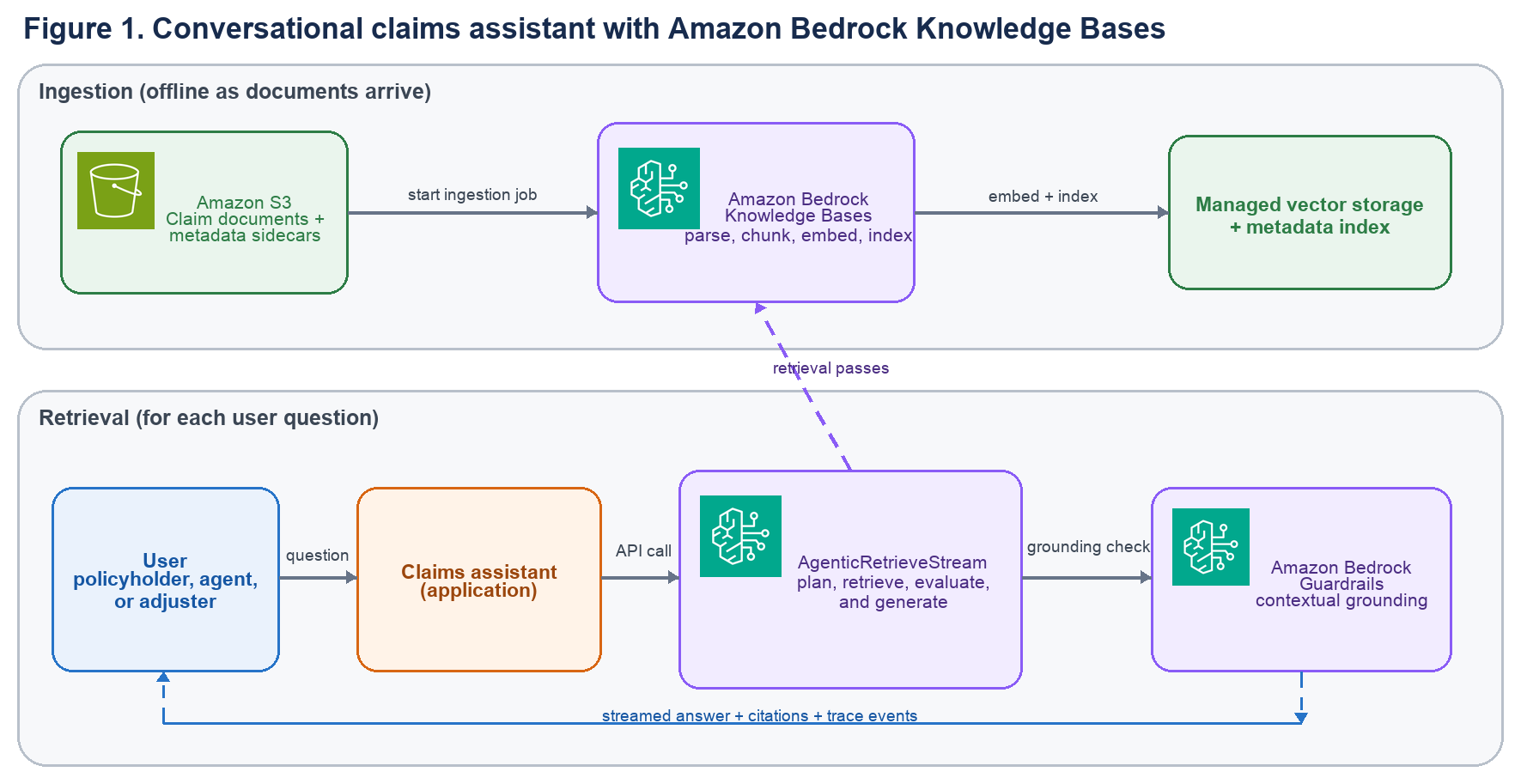
Query claims in natural language with Amazon Bedro...
This technical how-to builds a conversational claims assistant on Amazon Bedrock Knowledge Bases that answers natural-language questions with citations. It covers ingesting claim documents from Amazon S3, querying with the AgenticRetrieveStream API, multi-turn follow-ups, metadata filters, and contextual grounding...
 1 day ago
2
1 day ago
2
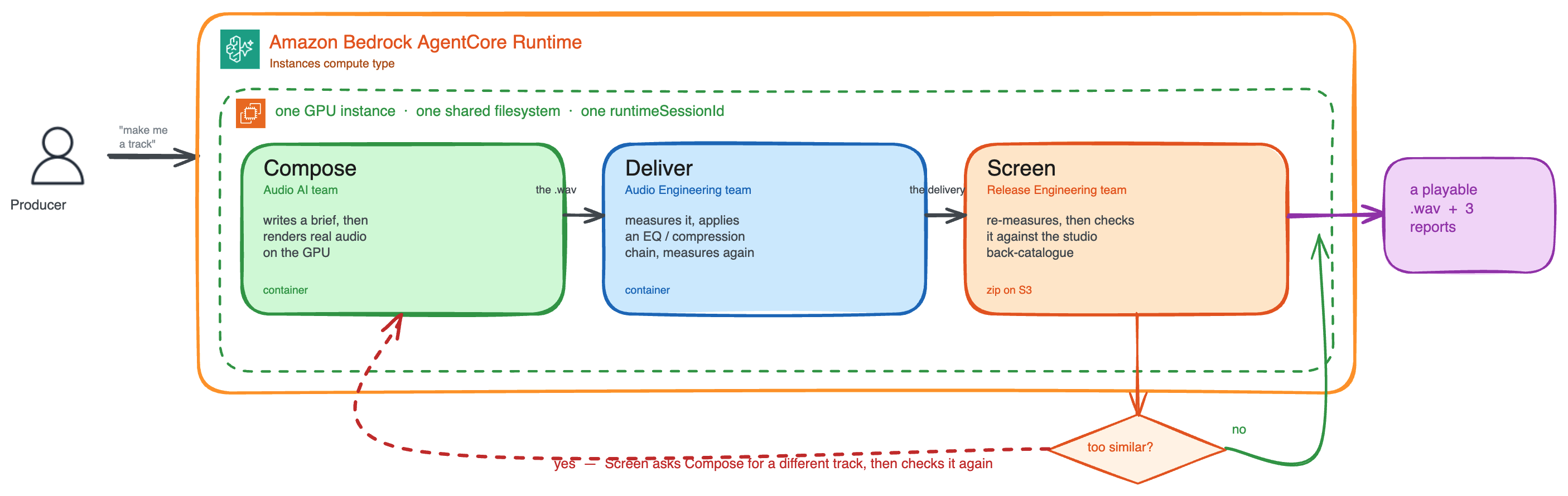
Build a multi-agent music production pipeline on A...
Amazon Bedrock AgentCore Runtime Instances gives multi-agent workflows AWS managed EC2 infrastructure with GPUs, persistent volumes, and multi-day sessions. In this post, we deploy a three-agent music production pipeline where the agents colocate on one GPU instance, share a...
1 day ago
2
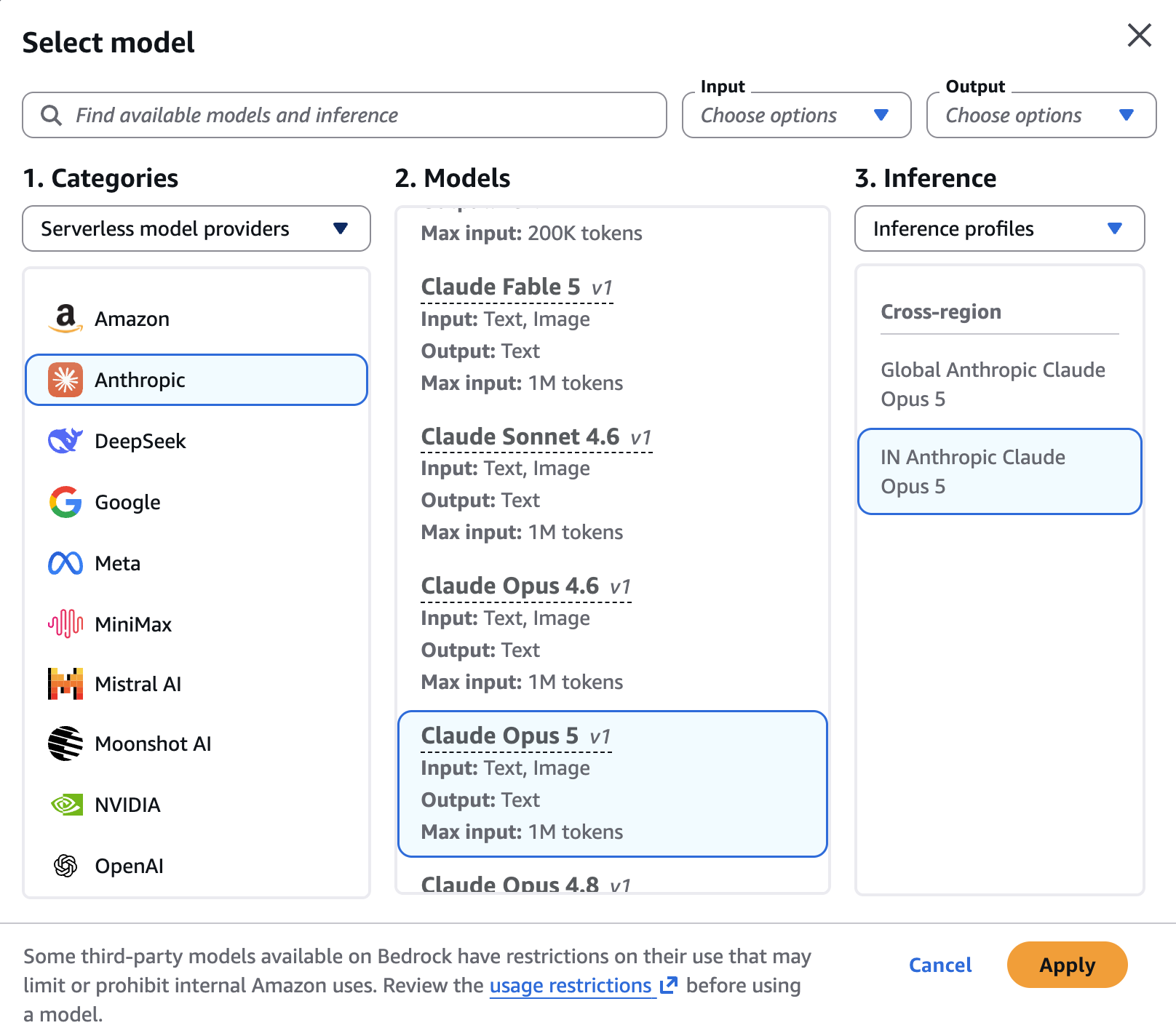
Amazon Bedrock expands Claude model availability t...
Anthropic's Claude Opus 5, Claude Sonnet 5, and Claude Haiku 4.5 are now available in India through Amazon Bedrock geographic cross-Region inference. You can access these models while processing data within the India Regions, and get started from the...
2 days ago
2
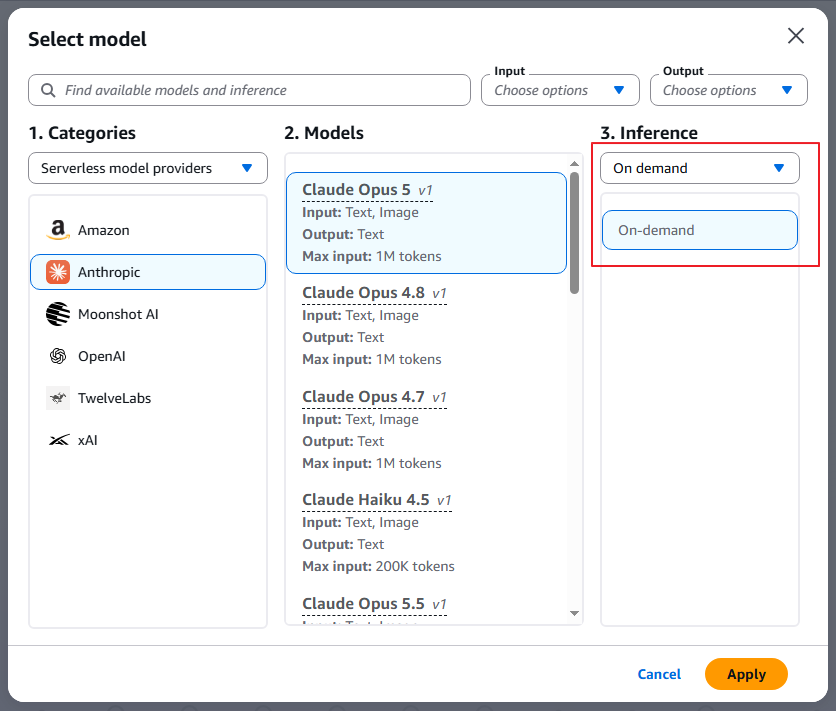
Introducing Anthropic models on Amazon Bedrock for...
Amazon Bedrock now supports Anthropic's Claude Opus 5 and Claude Sonnet 5 with in-region inference in Seoul, and Claude Sonnet 5 in Singapore. If you have local data processing requirements in South Korea or Singapore, you can now use...
2 days ago
2

Bring near-Astra intelligence to everyday work wit...
GPT-6.1 Sol is now generally available on Amazon Bedrock, bringing stronger reasoning to coding, computer use, and professional workloads that run frequently.
2 days ago
2

Prompt engineering fundamentals for Amazon Quick
Prompt engineering in Amazon Quick shapes how accurately its AI-powered features respond to your requests. Part 1 of a two-part series covers the foundational principles and reusable frameworks (specificity, context-setting, few-shot examples, and the CRISPE framework) for consistent, high-quality...
2 days ago
2

Prompt engineering by Quick component: Patterns an...
Part 2 of our Amazon Quick prompt engineering series goes component by component. Learn the prompt patterns that get the best results from Amazon Quick Research, Quick Flows, Quick Sight, chat agents, and action integrations, plus the common pitfalls...
2 days ago
2
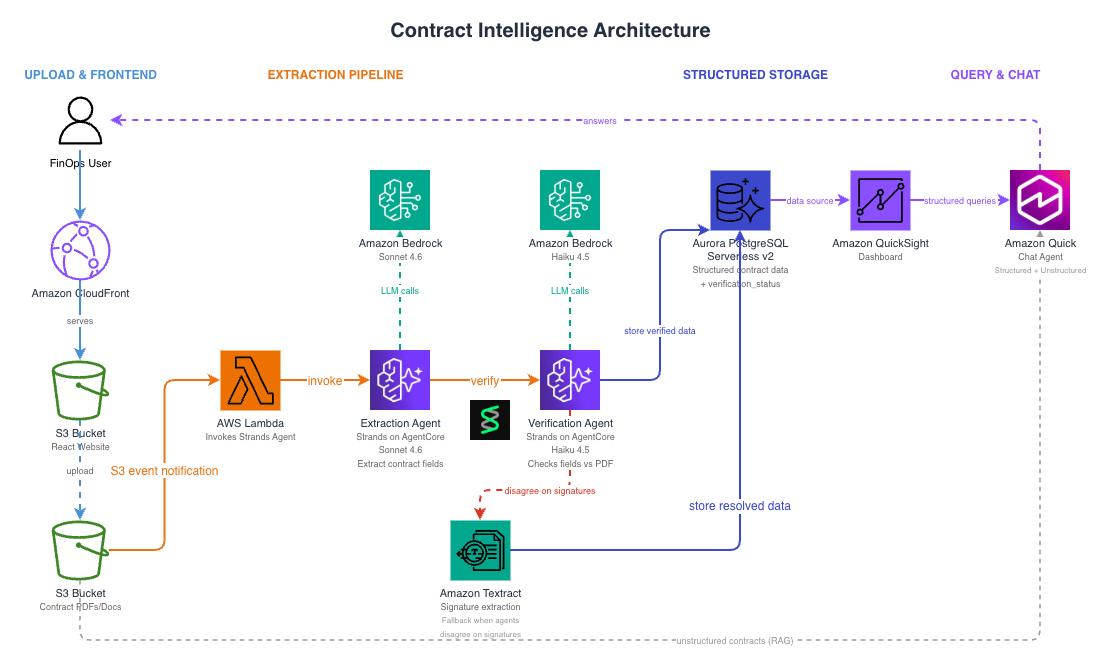
Building an AI-powered contract intelligence platf...
Manually extracting data from hundreds of vendor contracts doesn't scale, and RAG chat tools fall short on portfolio-wide questions. This post shares a contract intelligence platform on AWS that uses AI agents to extract and verify contract fields, then...
2 days ago
1
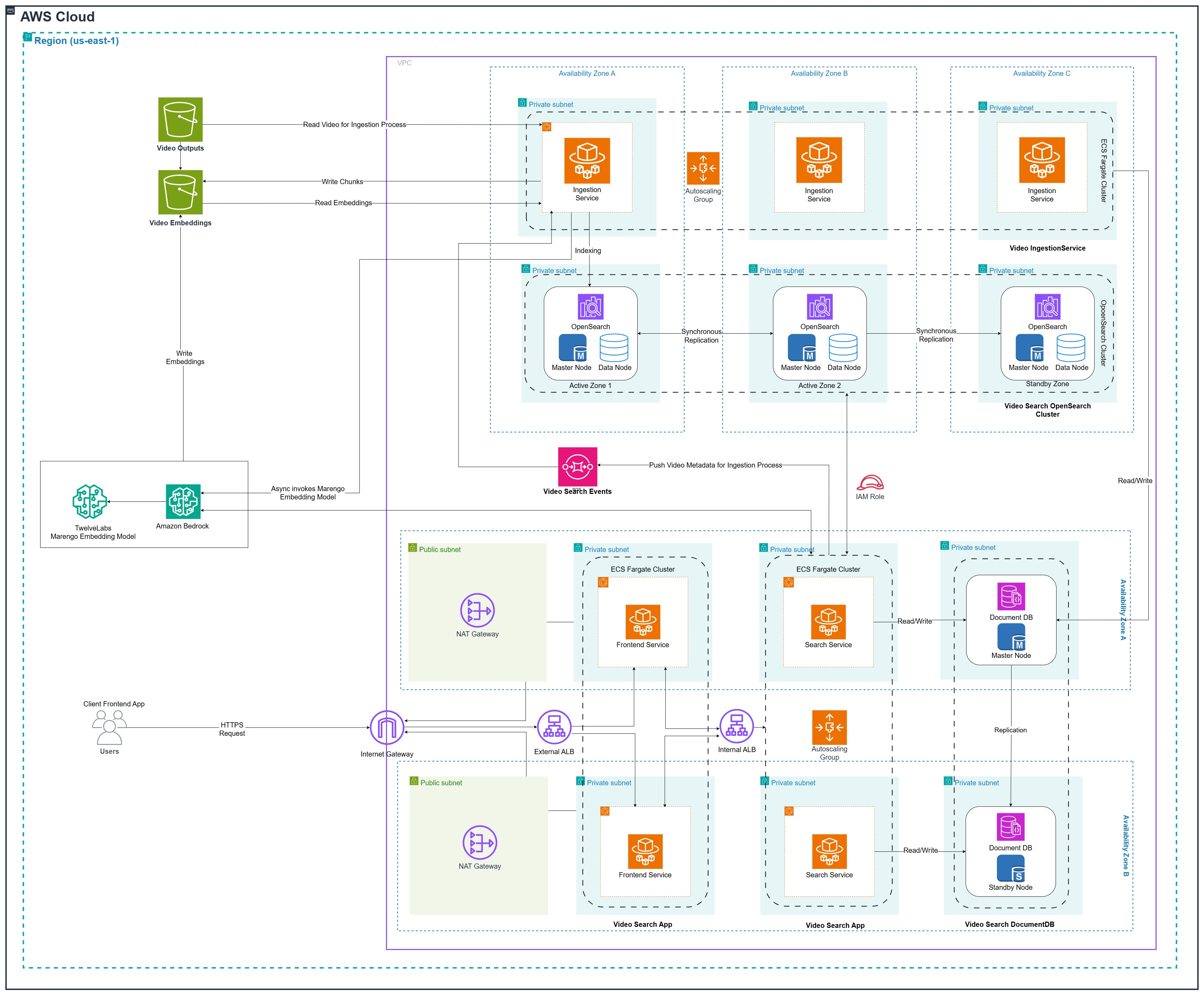
How Condé Nast built multimodal video discovery wi...
Condé Nast's editorial teams spent an average of 250 minutes per task searching a library of more than 140,000 videos using only titles and descriptions. Working with the AWS Generative AI Innovation Center, they built a multimodal video discovery...
2 days ago
2

Grok 4.7 is now available on Amazon Bedrock
xAI's Grok 4.7 is now available on Amazon Bedrock: a frontier model for coding, long-running agents, and knowledge work. It offers a 500K token context window and four configurable reasoning effort levels, reachable through the Responses, Chat Completions, and...
3 days ago
6
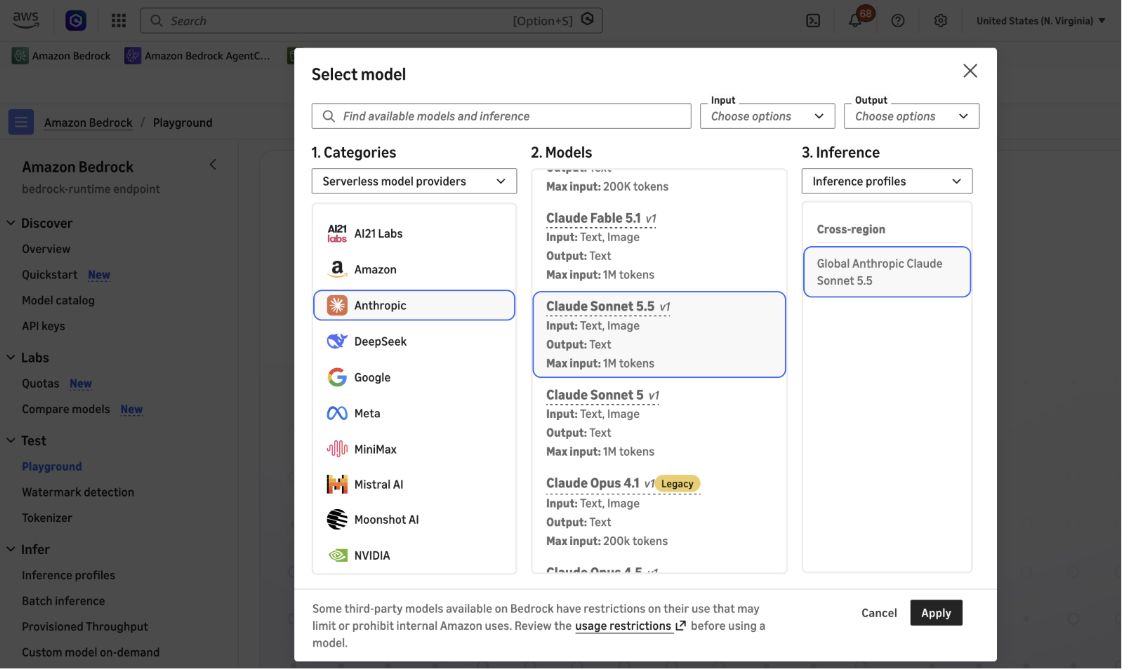
Introducing Claude Sonnet 5.5 on AWS
Claude Sonnet 5.5 is now available on Amazon Bedrock and Claude Platform on AWS. It's a smarter, more efficient Sonnet model for focused coding and knowledge work, with a lower cost per task at faster speed. This post covers...
3 days ago
2
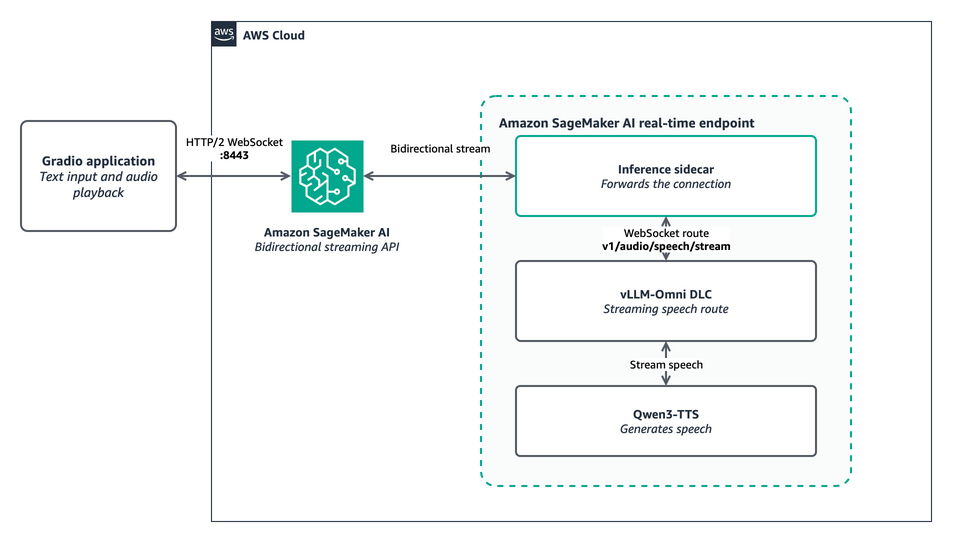
Build real-time voice applications with vLLM-Omni ...
Deploy a text-to-speech model on Amazon SageMaker AI with the AWS vLLM-Omni Deep Learning Container and stream generated speech over a persistent bidirectional connection. This Part 1 tutorial deploys Qwen3-TTS and streams speech through a Gradio application.
3 days ago
3
Generate images and video with vLLM-Omni on SageMa...
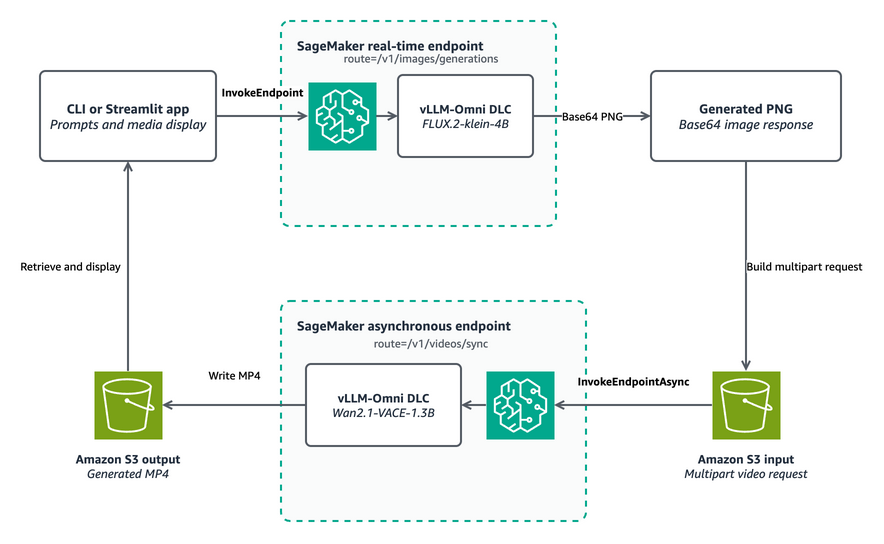
Deploy two generative media models from one AWS vLLM-Omni Deep Learning Container on Amazon SageMaker AI. Generate an image with FLUX.2-klein through real-time inference, then animate it into video with Wan2.1-VACE through asynchronous inference, and retrieve the MP4 from...
3 days ago
4
Implementing synthetic monitoring using Amazon Nov...
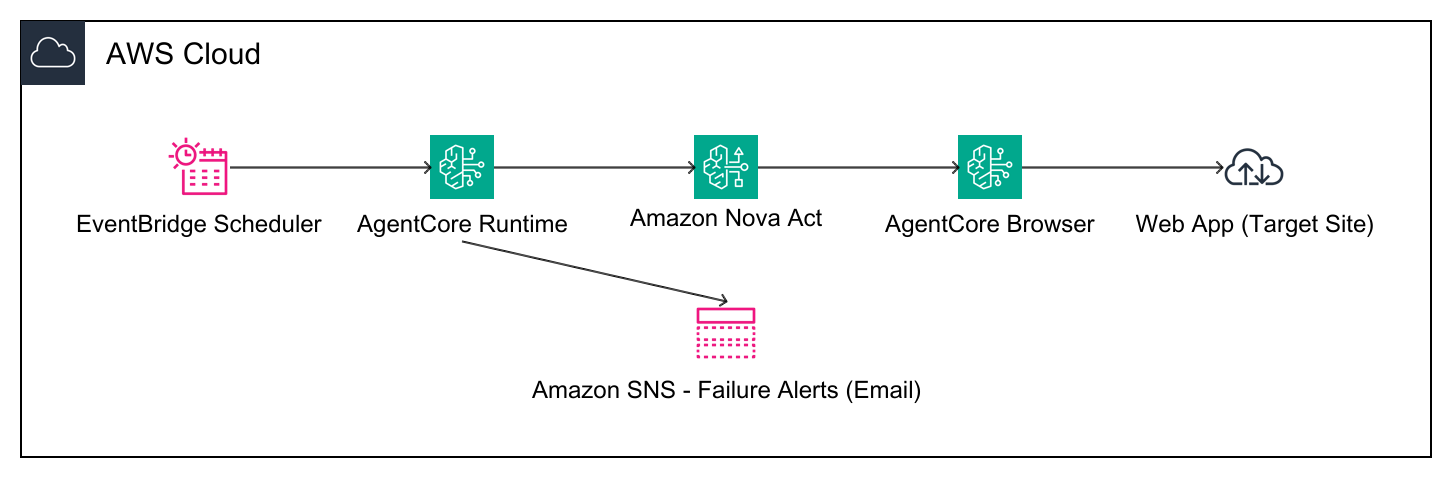
Learn an agent-driven approach to synthetic monitoring using Amazon Nova Act and Amazon Bedrock AgentCore. The post covers the architecture and patterns for resilient, managed user-journey validation that moves beyond brittle UI scripts, with a complete sample implementation.
3 days ago
2
Automating Amazon Textract adapter lifecycle manag...
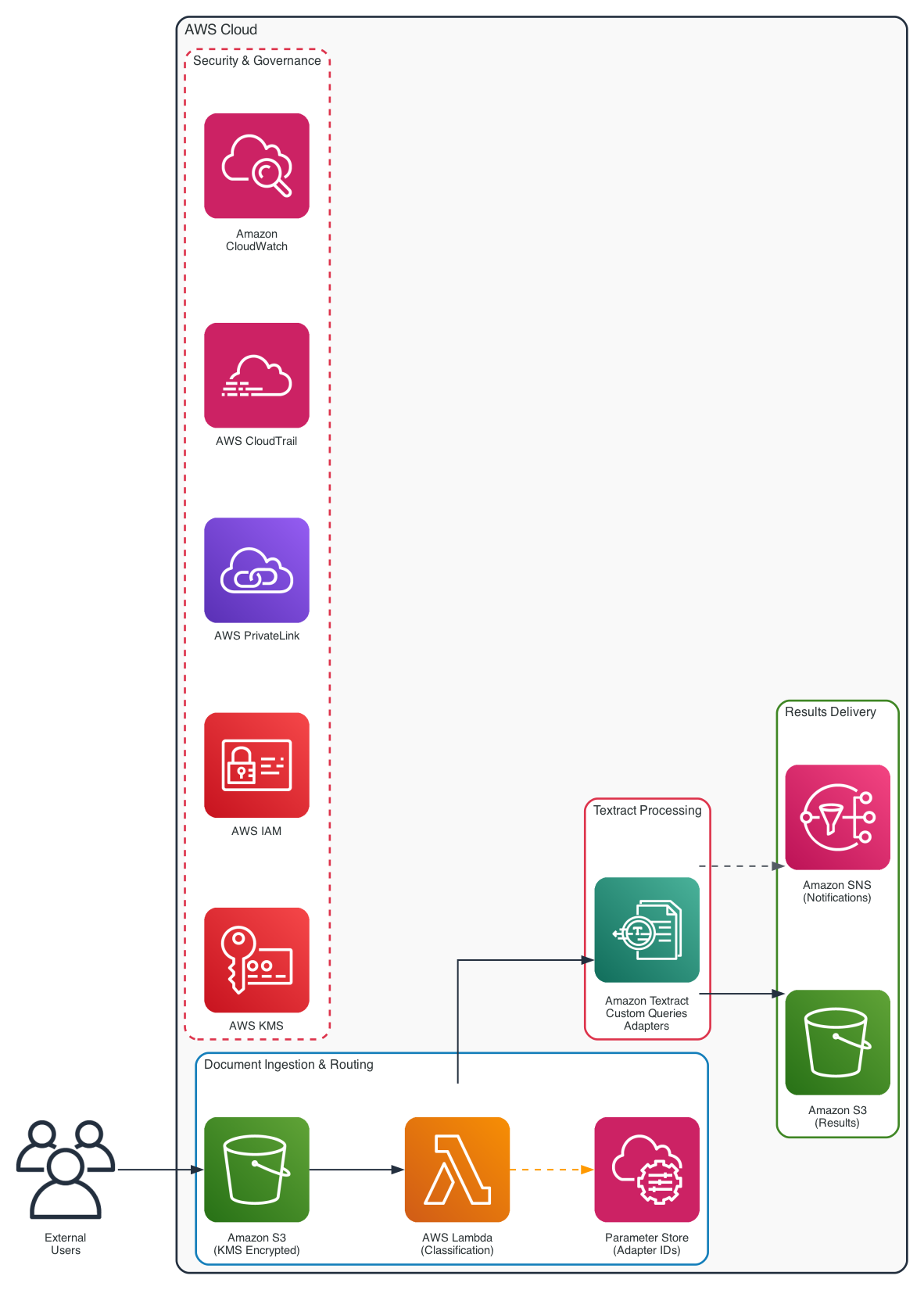
Learn how to operationalize Amazon Textract Custom Queries adapters for production: infrastructure as code with AWS CloudFormation and Terraform, a cross-account adapter promotion process, a pre-classification routing pattern for multiple form versions, and production security controls such as VPC...
3 days ago
4
Scaling MoE reinforcement learning on Amazon EKS w...
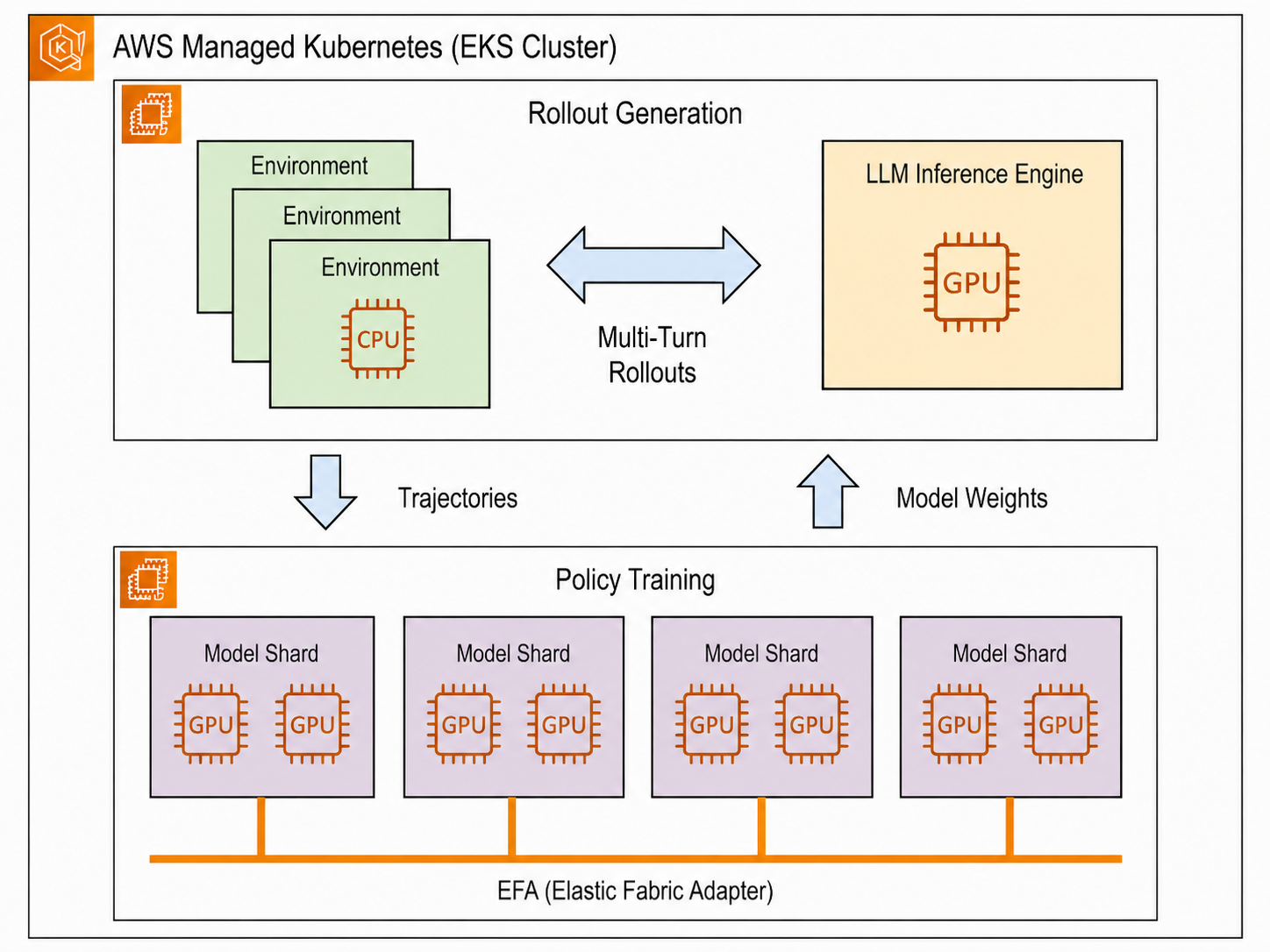
Learn how to scale Mixture-of-Experts (MoE) reinforcement learning on Amazon EKS using Elastic Fabric Adapter (EFA) and DeepEP. This post presents an architecture that combines Amazon EKS, EFA, and Amazon S3 and increased aggregate reinforcement learning rollout throughput by...
6 days ago
10
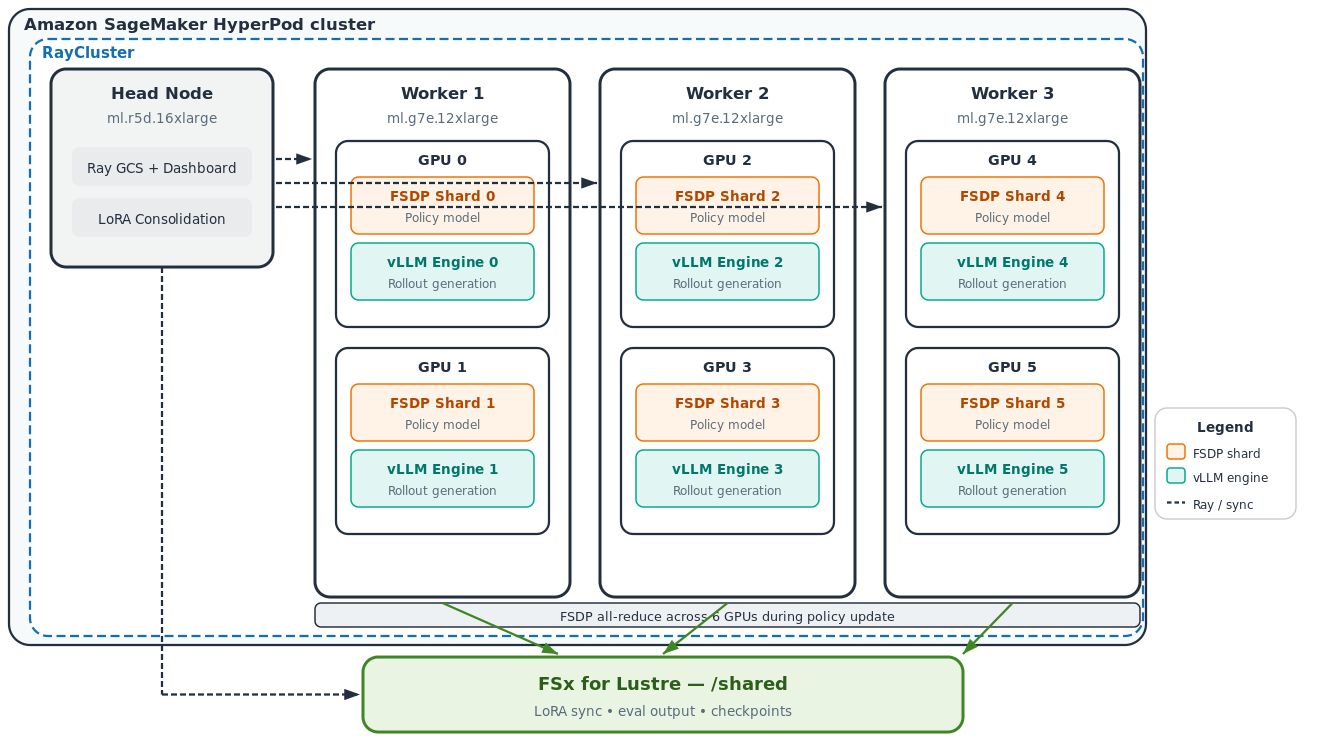
Accelerate multimodal RL training with SkyRL on Am...
Learn how to run SkyRL, an open-source reinforcement learning framework, on Amazon SageMaker HyperPod to post-train a Qwen3-VL-8B vision-language model with GRPO. This walkthrough covers building the container image, launching a Ray cluster from SageMaker Studio, submitting and monitoring...
6 days ago
8
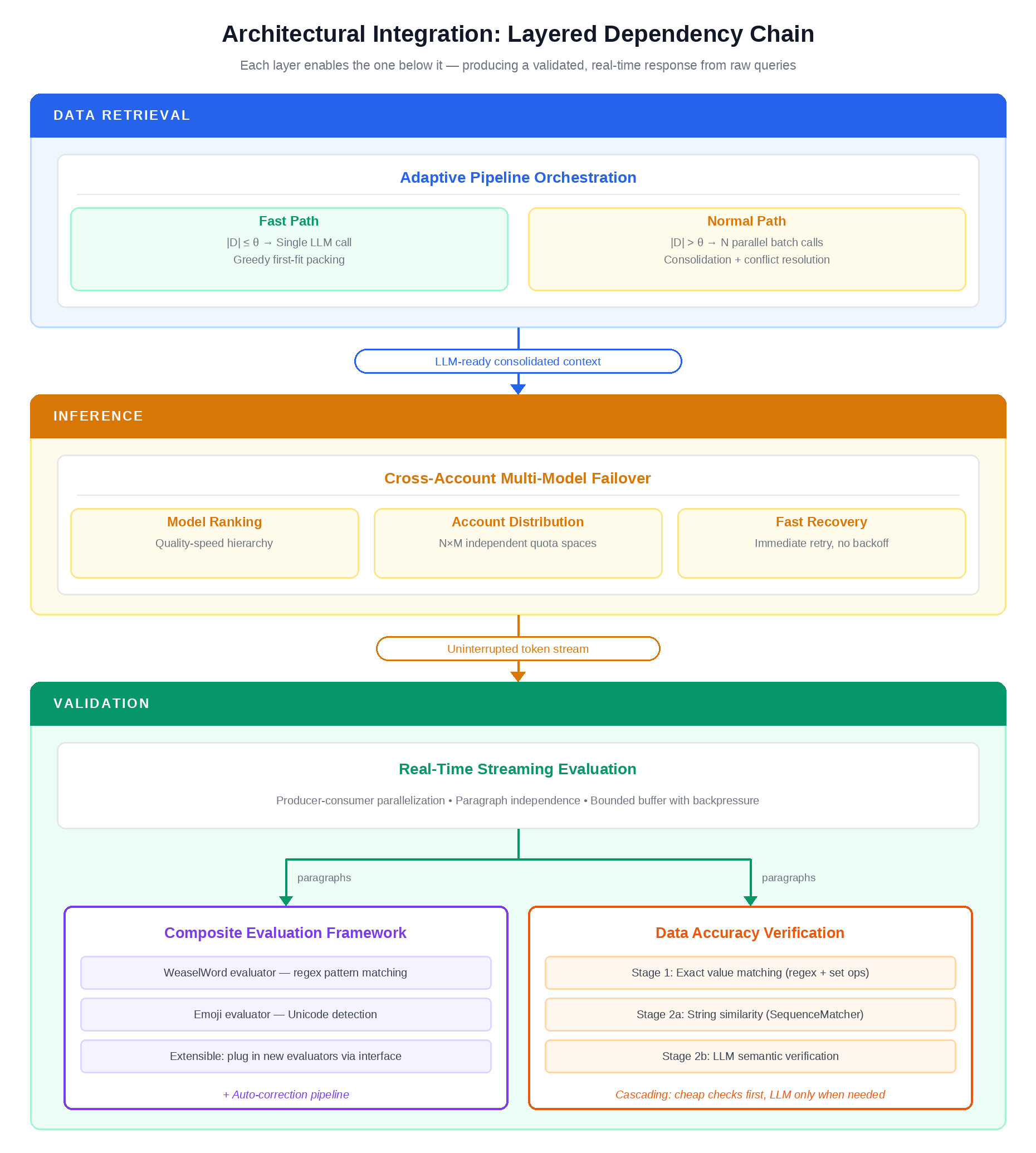
NarrateAI: production-ready LLM quality assurance ...
NarrateAI delivers production-ready LLM quality assurance on Amazon Bedrock. This post details five techniques—adaptive pipeline orchestration, cross-account multi-model failover, real-time streaming evaluation, composite evaluation, and data accuracy verification—that reach about 99% numerical accuracy while streaming responses in real time.
6 days ago
8
Popular



Japanese anime actor fights TikTok over AI voice cloning


Spotting AI writing: How reliable are the detectors?




 English (US) ·