

MIT AI News

Q&A: How AI came to model the “messy” human mind
Assistant Professor Benjamin Lindquist studies how engineers deliberately injected randomness into early AI, giving rise to deep-learning models that sometimes hallucinate.
 4 hours ago
2
4 hours ago
2
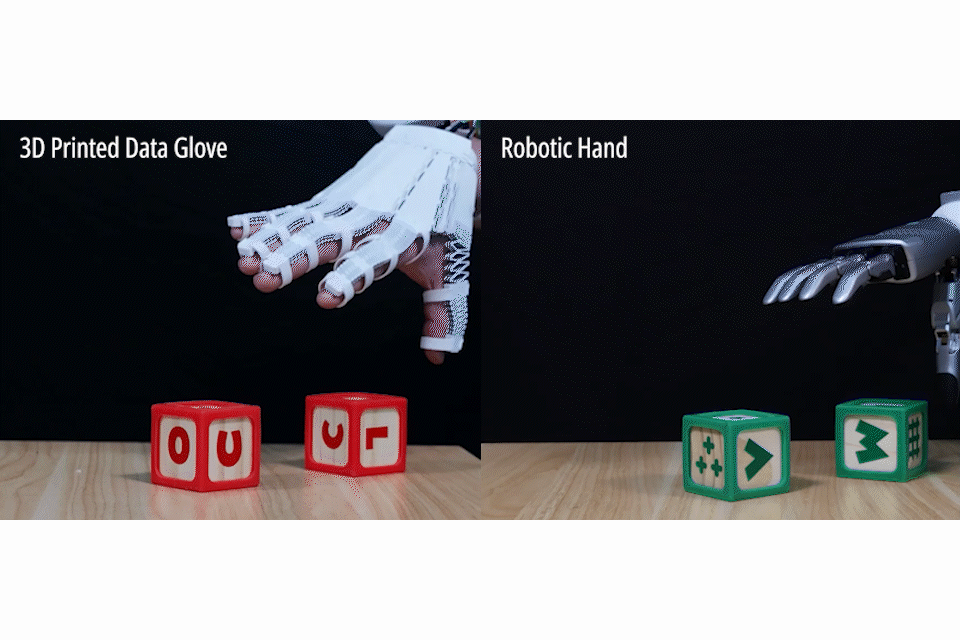
This design software reimagines everyday objects a...
“X-Hinges” helps design and 3D print items like lamps and gloves with an interactive twist: automatically embedded sensors that perceive and adaptively respond to human contact.
12 hours ago
1
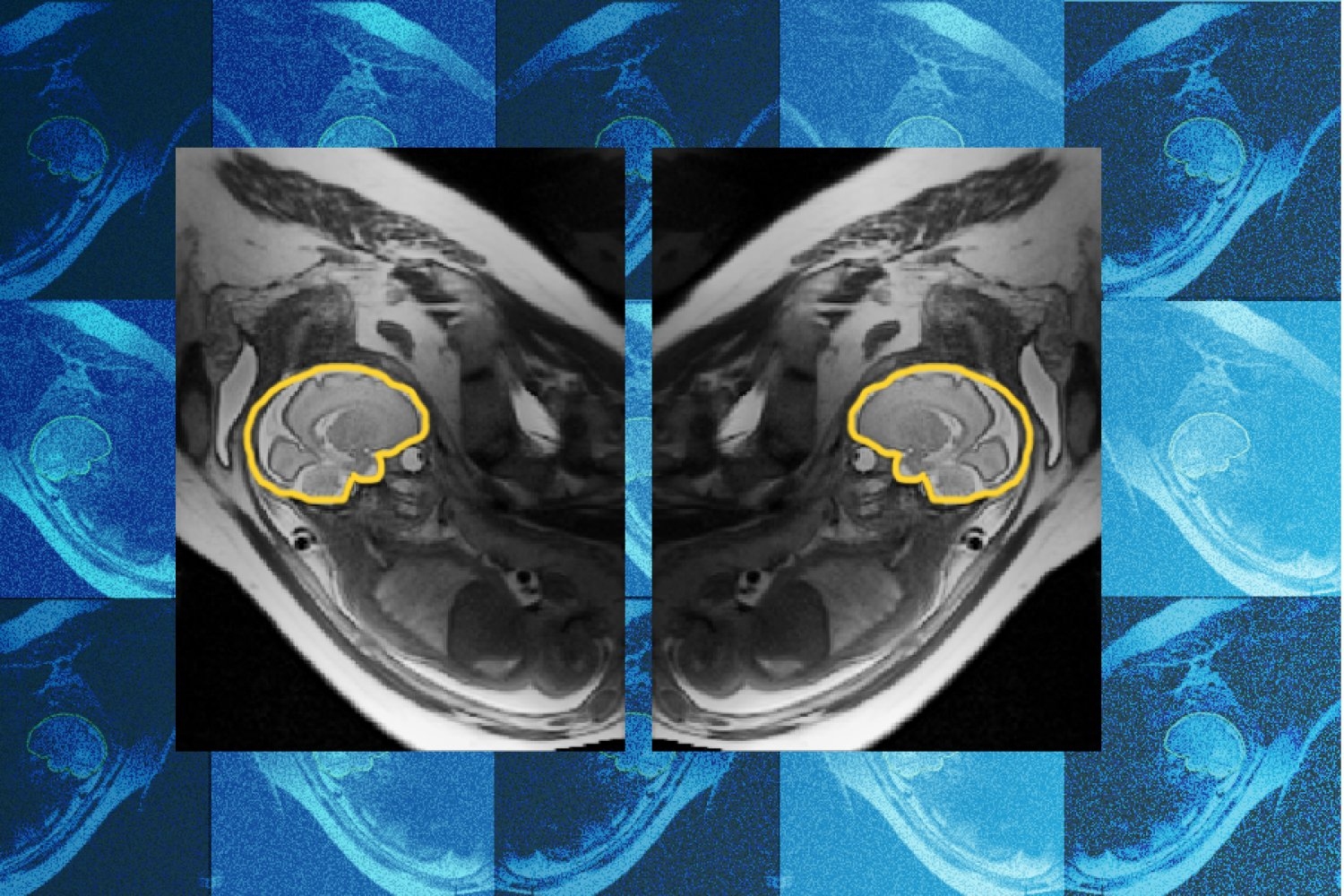
Why teaching AI about symmetry could make prenatal...
A model developed by researchers at MIT and Boston Children's Hospital adjusts scans on the fly to track fetal movement, potentially sparing families repeat hospital visits.
3 days ago
1
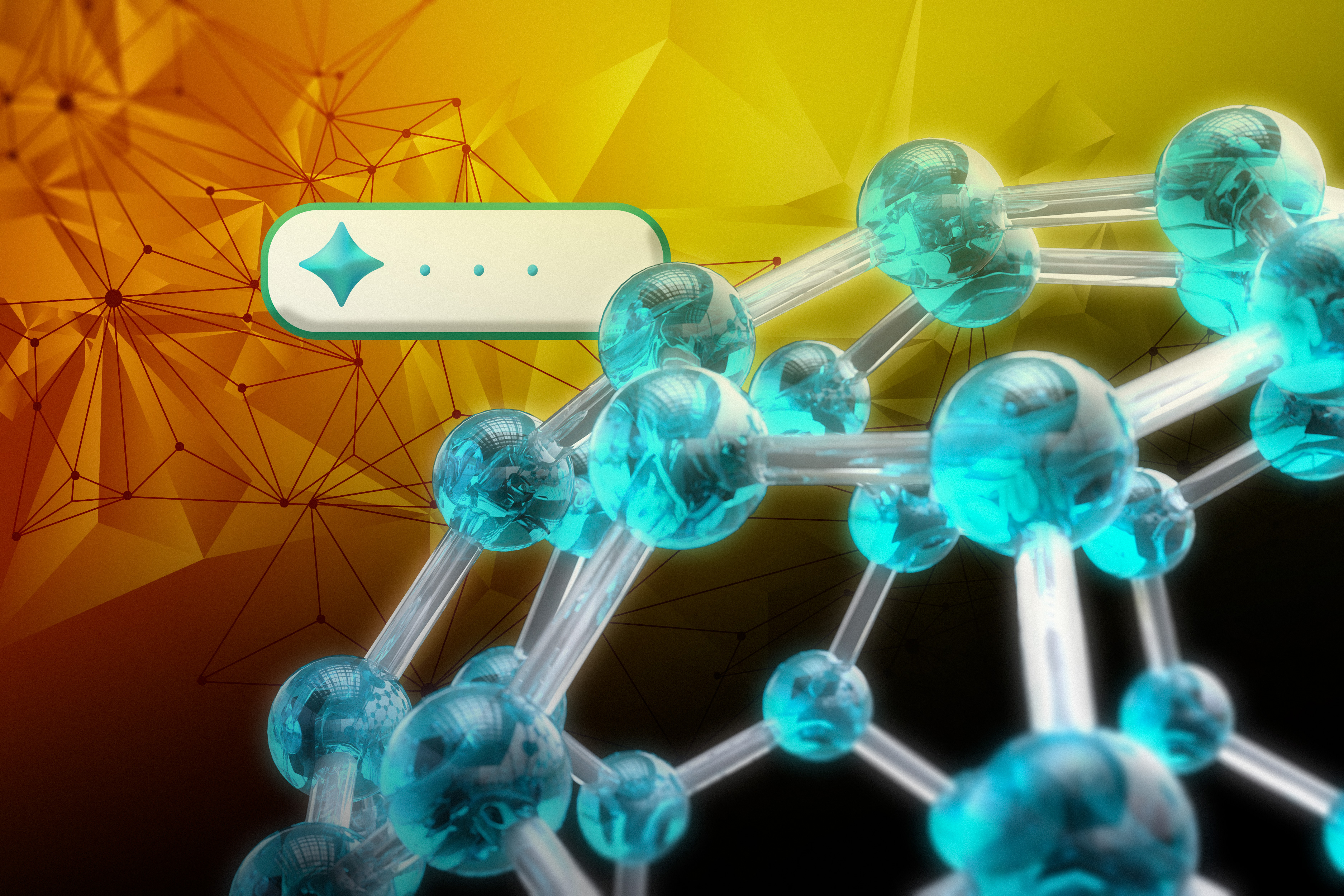
Giving AI a “crystal clear” view of the materials ...
New research can help AI models understand crystalline materials in 3D and reason about their properties.
5 days ago
8

Fostering community amid Kendall Square’s innovati...
The 18th annual Kendall Square Association Annual Meeting explored how new technologies could be a force for shared prosperity in society.
6 days ago
4

State of Supply Chain Sustainability Report finds ...
MIT's Center for Transportation and Logistics finds sustainability commitments are strong, but governance gaps and external disruptions prevent execution.
1 week ago
2
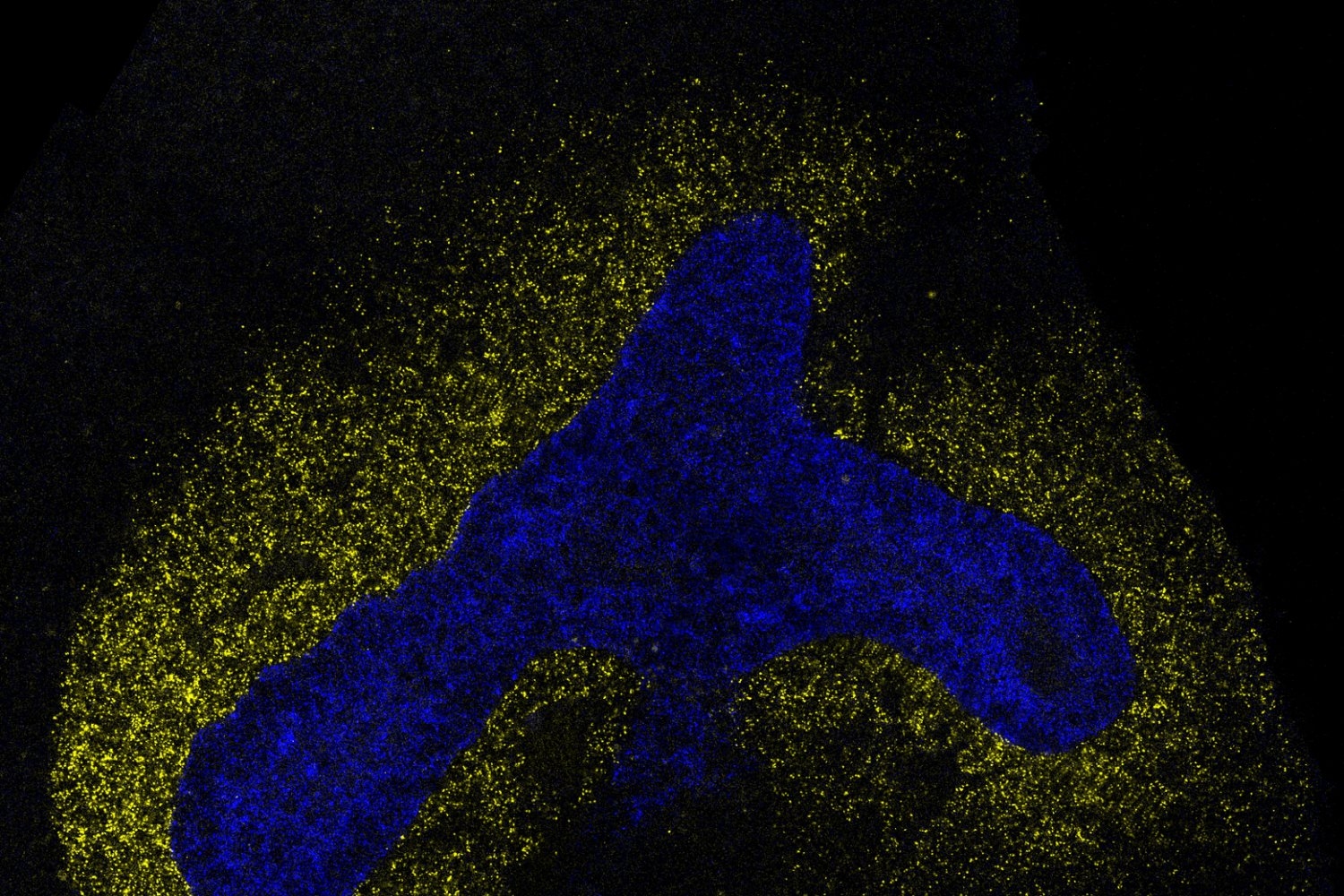
AI model decodes the language cells use to communi...
A new computational approach reveals how cells communicate to assemble into tissues. This could accelerate stem cell engineering, improve disease models, and inform therapies.
1 week ago
2
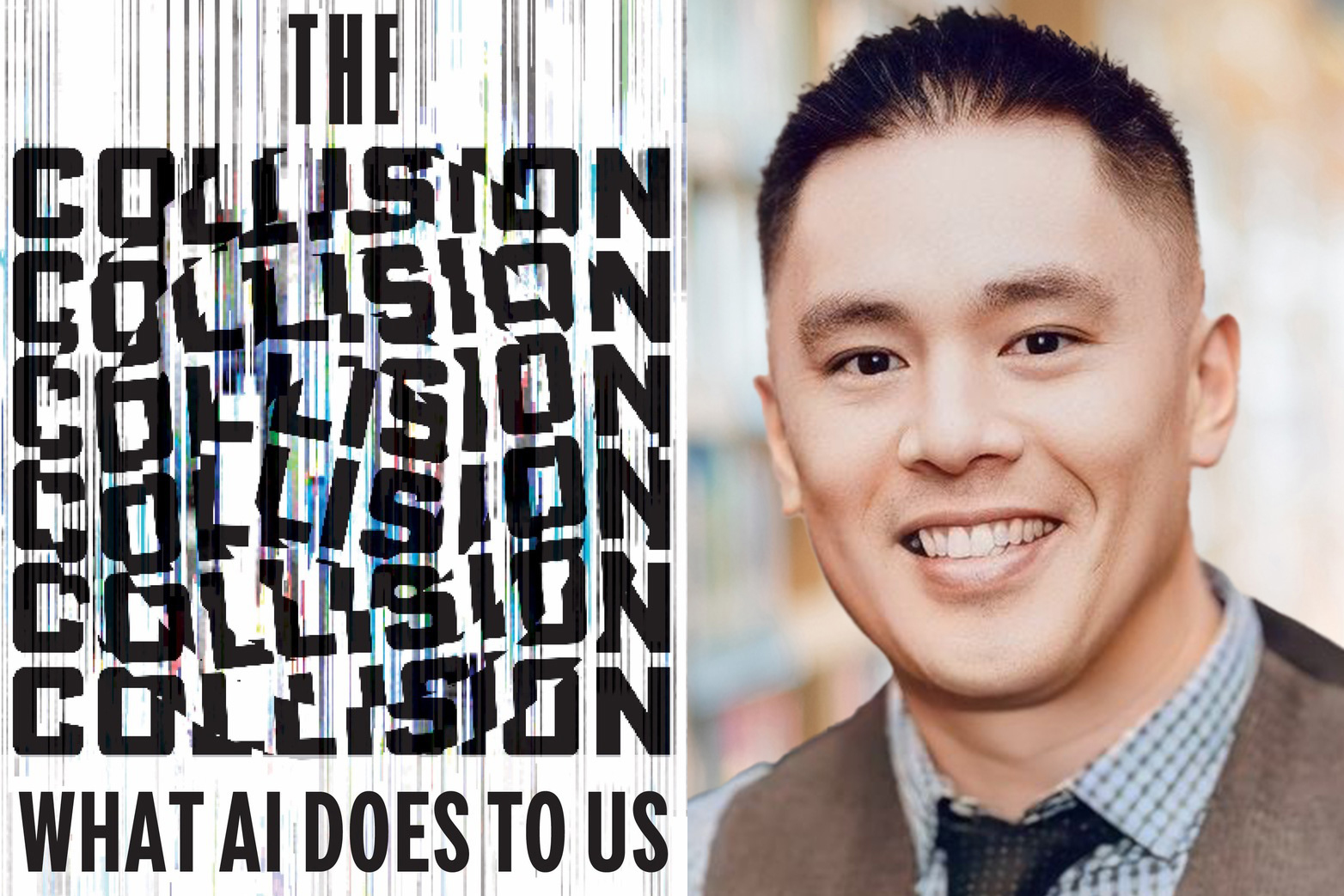
Q&A: The “collision” between AI, your brain, and s...
In a new book, Professor Eric So explores how the technology affects our thinking skills.
1 week ago
7

Researchers improve weather forecasts looking two ...
A new machine-learning approach broke records for weather forecasting for an important time frame in emergency planning.
1 week ago
2
How artificial neural networks build their own lea...
Machine-learning networks can learn without detailed instructions from a designer. Those that do may offer insight into how the brain reorganizes itself during learning.
1 week ago
8
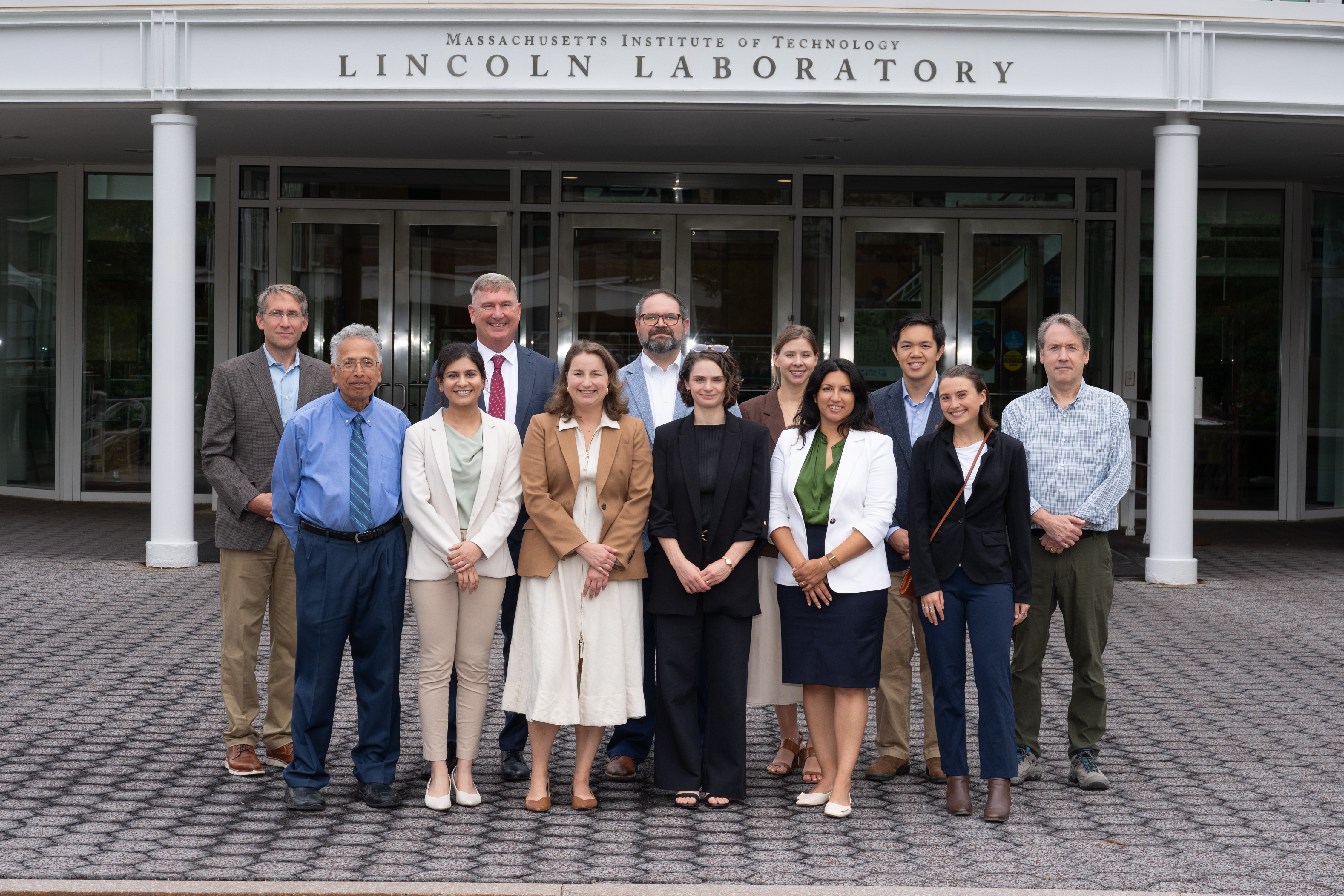
MIT Lincoln Laboratory hosts National Security Com...
Roadshow event highlights Massachusetts' defense-biotechnology ecosystem.
1 week ago
7
Q&A: Building accountability behind our words — an...
Professor Deb Roy contends there should be someone who is “answerable” for every piece of text in public life, no matter its origins.
1 week ago
6
3 Questions: What is the best path forward for AI ...
MIT Statistics and Data Science Center Director Alexander (Sasha) Rakhlin shares important considerations for departments and institutions.
2 weeks ago
5
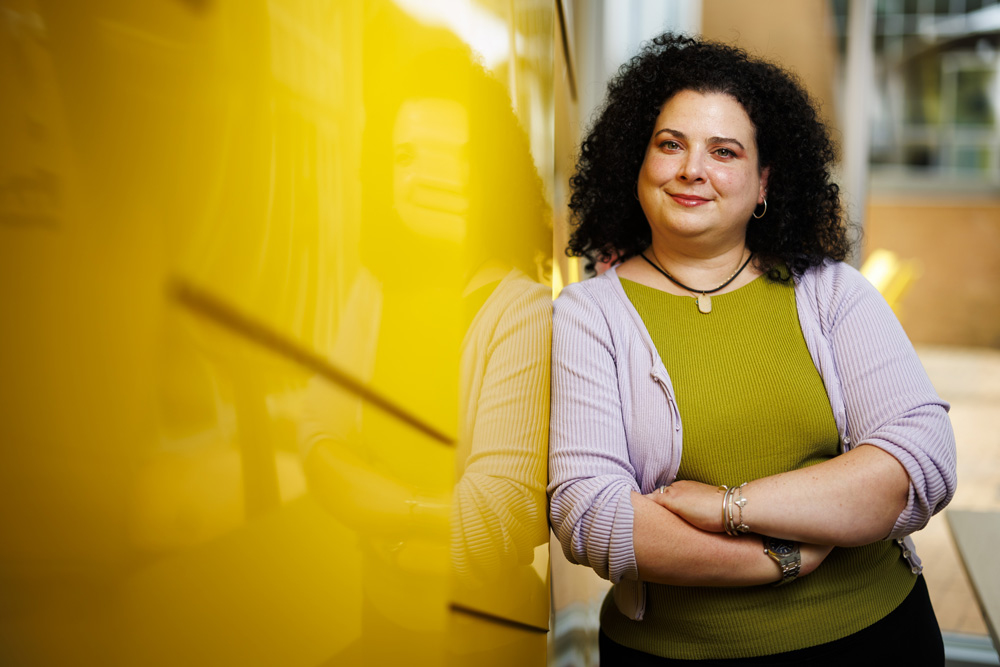
Using AI to mitigate the growing environmental thr...
By rethinking how large cloud computing systems operate, Associate Professor Christina Delimitrou seeks to make data centers more energy efficient.
2 weeks ago
11
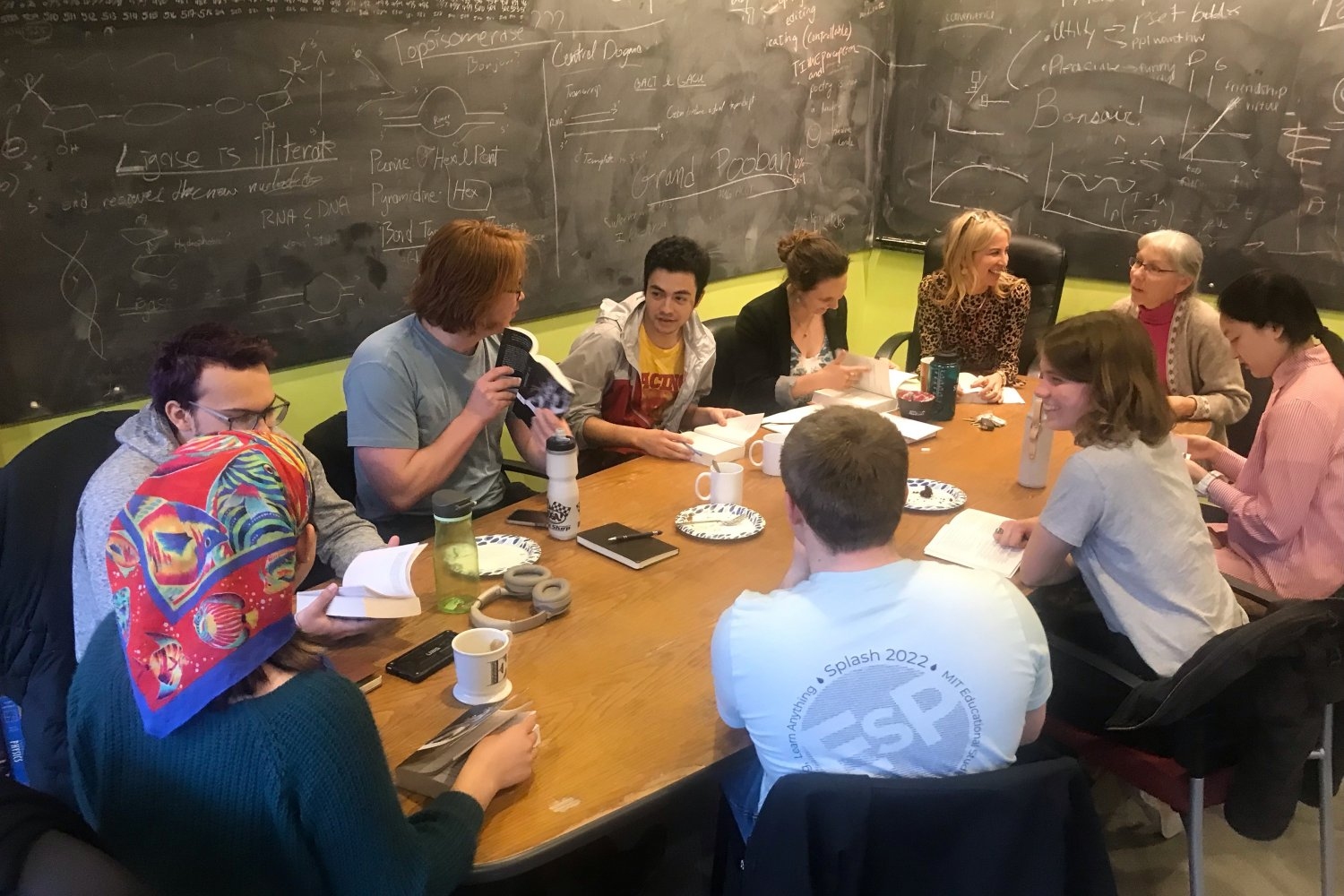
Discovering the value of humanistic inquiry
Students in MIT’s Concourse program delve deeply into the human condition, debate challenging questions, and learn to develop judgment about issues that can’t be quantified.
2 weeks ago
8
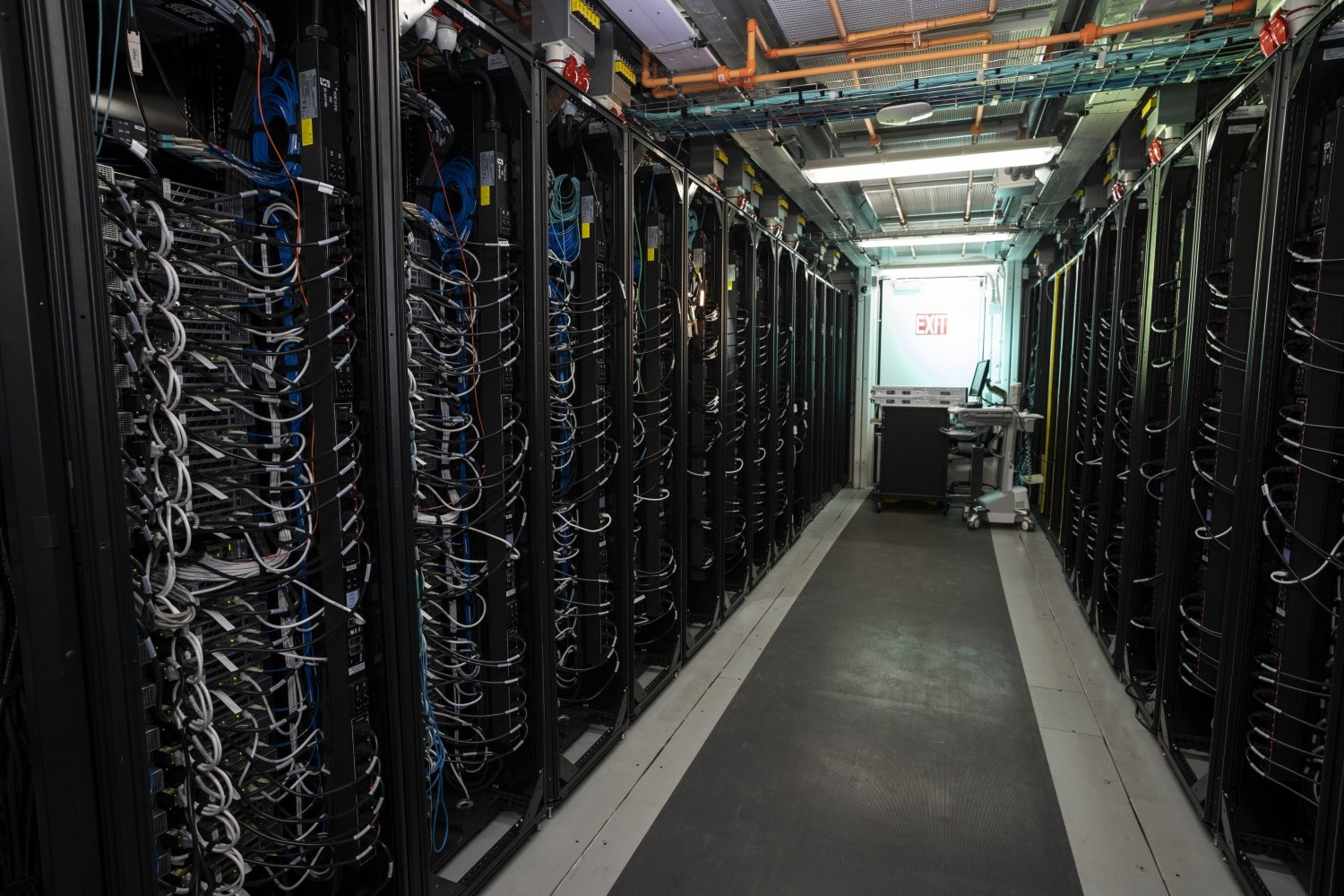
Supercomputing researchers document evolution of A...
An ongoing survey tracks the latest AI accelerator systems to keep hardware relevant for Lincoln Laboratory staff and sponsors.
2 weeks ago
8

Chris Bourg named vice provost and Barbara K. Ostr...
As director, Bourg has focused on digital access, open and equitable scholarly publishing, and expanded support for data-intensive research.
2 weeks ago
5
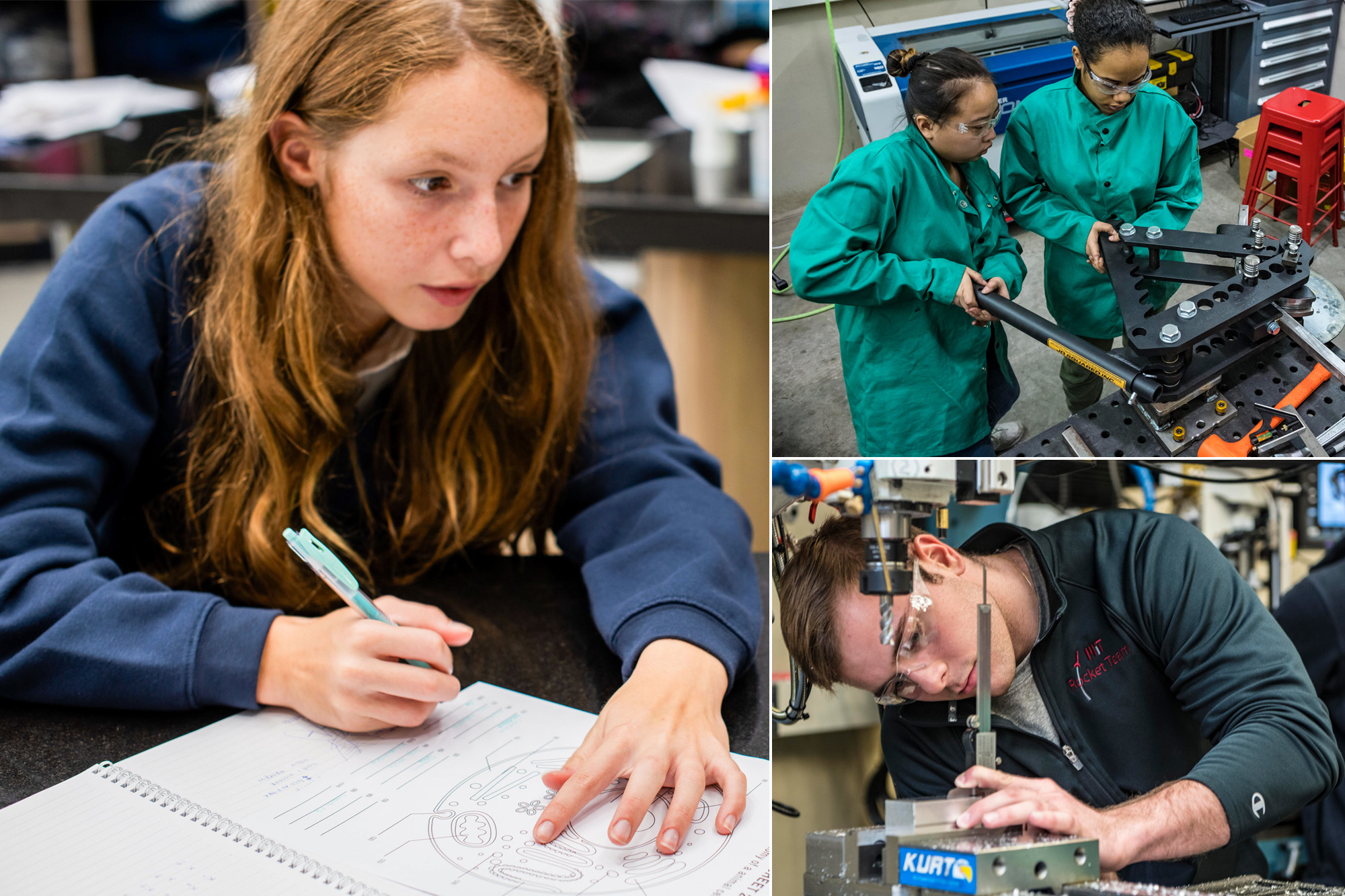
MIT announces the MIT for America initiative, to s...
The effort aims to help U.S. learners from kindergarten to community college, with an emphasis on math, making, and the constructive use of AI.
2 weeks ago
6
Popular







 English (US) ·